
Legacy software is a tax on innovation. Most people define it poorly because they think it is a factor of age. This is a fundamental misunderstanding. How can something digital age? Software will always run as perfectly as the day it was first deployed. The bits do not rot, and the logic does not grow weary. What actually happens is that the environment around the code changes while the code remains frozen in time.
Legacy is defined by a loss of agency rather than a date on a calendar. You have a legacy problem when your software relies on dead technology to execute or when there is no one left in your company who understands the underlying logic. It happens when source code is lost or the original build environment cannot be recreated. This makes the system brittle and fixed. You spend your time working around limitations and realigning data manually just to keep the lights on. You are no longer driving a product because you have become a curator of a digital museum.
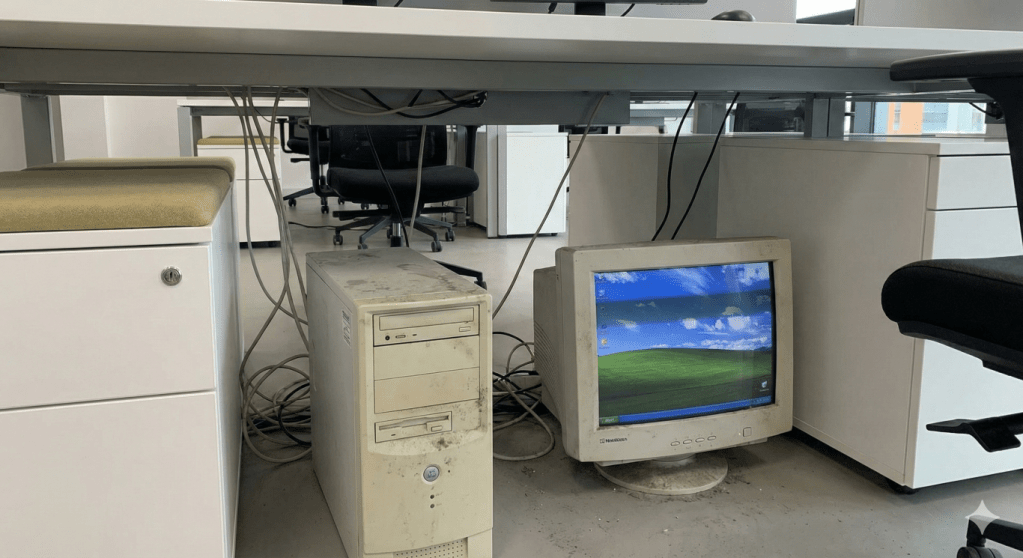
The Stagnant Phase
Software does not crash into legacy status overnight. It decays through a middle ground we should call Stagnant Software. This is the danger zone where the system functions, but the underlying health begins to erode. Stagnant software processes orders and sends emails while the team stops investing in its foundation. Documentation stops and business rules are ignored. You tell yourself that you will fix these issues later, but that day never comes.
The code tells you how it works, but it does not tell you why it works. The edge cases vanish from memory and the reasons for specific logic disappear. You are one resignation away from a crisis because the knowledge is not in the system. This stagnation happens through simple neglect. You miss a minor version update for a framework because you think it is a small risk. Then you miss the next one. Your library is suddenly three years out of date. The security patches stop. The upgrade path that was once a quick fix is now a massive engineering effort. You chose to save an hour last year, and now you must spend a month on breaking changes and data migrations. This is how a modern system becomes a liability.
Legacy code creates friction for the entire organization. Hiring is the first casualty. Talented engineers do not want to work on Windows XP or COBOL. They want to build with modern tools and solve new problems. You end up paying a premium for talent that is only there to keep the system running. You are not hiring builders for your future; you are hiring caretakers for your past.
You also face infrastructure lock-in. Legacy software often requires specific environments that are no longer supported. Keeping a twenty-year-old operating system alive in a modern cloud world is expensive and risky. The world changes quickly, but your architecture remains stuck. The biggest cost is the debt trap where technical debt drowns out forward momentum. You spend your time paying the interest on the debt while the actual principal remains. Every new idea is met with a list of reasons why the old system cannot handle it. Innovation dies because the legacy system cannot adapt to the modern environment.
Legacy in the real world
The global economy runs on these fragile foundations. This is not a theoretical problem for engineers; it is a structural risk for business.
- Banking: 43 percent of US banking systems run on COBOL. These systems handle 95 percent of ATM swipes. The talent pool is disappearing as experts retire, forcing banks to pay massive premiums for retired contractors. Global banks spend 36 billion dollars annually just to maintain these systems.
- Airlines: Southwest Airlines lost 800 million dollars during a holiday collapse in 2022. The weather triggered the event, but the cause was a legacy crew scheduling system. It could not handle the data load and failed when the company needed it most.
- Government: The IRS runs applications that are over sixty years old. The FAA uses air traffic control systems from the 1970s. Their replacement project might take another decade to complete while they struggle to find parts and people.
Outrunning the aging process
Modern frameworks and operating systems are in a state of constant flux. You cannot always focus on new features. Technical debt is incurred the minute you start deploying code. To avoid the legacy trap, you must dedicate time to maintenance and debt repayment as a core part of your business strategy.

A healthy engineering organization should dedicate around 30 percent of its effort to tending the foundation. This ensures you are never caught by surprise when a library is deprecated or a security vulnerability is found. Forward-thinking companies retire systems before they even hit legacy status. They recognize that software has a lifecycle and that staying relevant requires continual innovation and proactive upkeep.
- Map the Dependencies: Find all systems that feed the critical system and identify what consumes its data. This gives you a blueprint for a rewrite and exposes the true cost of the system.
- Document the Intent: Force the “why” into your documentation today. Make your developers explain the business rules and the logic behind the code. Do not let the reasons for your software die with a resignation letter.
- Stay Current: Take the library updates when they are released. Do not let the gap between your system and the modern world grow. Small updates are cheap, but major migrations are expensive.
- Invest in the Foundation: Treat your code health as a primary business metric. If you do not pay for maintenance today, you will pay for a disaster tomorrow.
Summary
Legacy software is a choice. It is a decision to let the world move on while your systems stay still. You can choose to pay for innovation today, or you can pay to maintain the museum tomorrow. True stability does not come from leaving things alone; it comes from the constant effort of keeping your software aligned with the world around it.
By dedicating 30 percent of your resources to technical health and planning for the retirement of systems before they rot, you protect your company from the silent decay of stagnation.
AI Disclaimer: Gemini Nano Banana Pro was used to generate the photos – inspired by Star Trek Voyage Home.





 Alan Williamson