
I sat at my desk recently and waited for a set of AWS Lambdas to deploy. The progress bar moved with the speed of a tired snail. That feeling of waiting took me back thirty years.
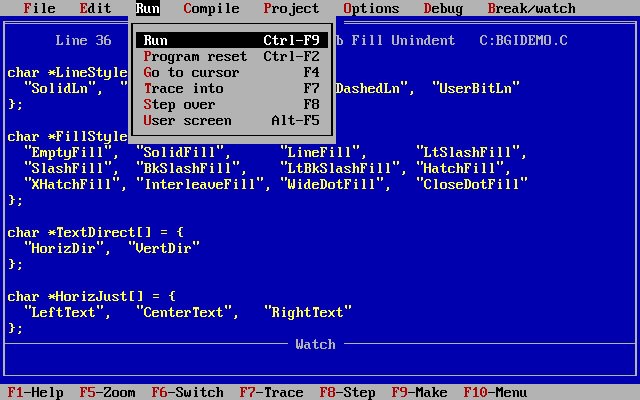
I am not saying the old days were better. I do not miss the days of staring at the iconic blue background of Borland Turbo C, praying my measly 40MB hard disk drive wouldn’t decide today was the day it finally gave up the ghost. We have immense power and safety today. But we lost something useful.
We traded forced downtime for constant noise.
Thirty years ago, building software was a physical experience. You typed make into a terminal and walked away. A compilation took ten minutes. Your computer was useless during that time. If you tried to check an email or browse the web (if your company even had Internet access), the system would stop.
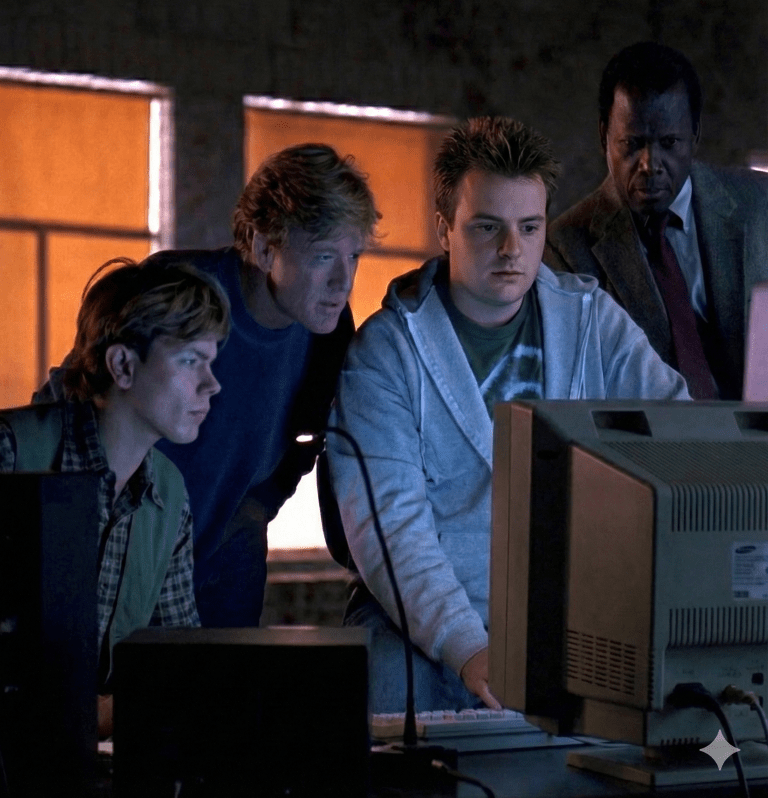
This was forced downtime. It gave you enough time to go to the kitchen and make a proper cup of tea – meet someone and say hello. It gave you the gift of reflection. You spent those ten minutes thinking about the code you just wrote. You often caught logic errors in your head before the compiler finished.
Back then, the network was the last resort. It was slow and unreliable. Everything lived on your local disk. If you broke the build, you only broke it for yourself. Your failure was private and the impact was small.
Today we live in a distributed world. The network is the foundation of everything we do. Local builds are fast, but the path to production is a long process. We replaced the tea ritual with thousands of lines of configuration files.
We have many pipelines, security scans, and environment checks. These tools are necessary because team development is the standard. We need these checks to ensure no one leaves broken code for their colleagues.
The stakes are higher now. If you change an API today, you might break a team on the other side of the world. Your mistakes are public. They stop everyone else from working.
The infrastructure has become a primary part of the job. You spend your mental energy on retries and authentication handshakes. You drive on hope and let the pipeline find the errors. We have consistency, but we lost the silence.
The modern workflow stole our time to think. We no longer have the tea time forced upon us by slow hardware. We no longer have the commute to process the day.
When you work from home, you move from your desk to your dinner table in seconds. This lack of transition makes us more prone to burnout. You must reclaim this time through self discipline.
Build a fake commute. Set aside twenty minutes at the start and end of your day. Do exactly what you would do in a car or on a train. Listen to a podcast. Read an article. Write down some notes. Simulate the transition.
Slow down your process. Use a physical whiteboard. Step away from the screen and talk to a colleague. Physical interaction forces you to slow down. You need to measure twice and cut once.
Realize when you need to step back. You cannot do this all the time, or nothing will get finished. But you must know yourself well enough to recognize when you need to think rather than type.
We have better tools and more safety now. We should not let the speed of the technology dictate the speed of our thoughts. Get up from your desk. Go make a proper cup of tea.
AI Disclaimer: Gemini Nano Banana Pro was used to generate the photos – inspired by the ’92 Sneakers movie, with a younger version of me in the Dan Aykroyd character.



 Alan Williamson